Signs Your Pet Needs Veterinarians in Jacksonville, FL, Today
Pet owners often ask how to tell when a problem is serious enough for a vet visit. Most pets cannot say when they feel sick, so owners need to watch for changes. This guide covers common warning signs that call for a visit to veterinarians in Jacksonville. It also explains which signs need care the same day.
Changes in Behavior Often Come First
Sudden changes in behavior are often the first sign that a pet is unwell. A dog that hides, shakes, or stops playing may be in pain. A cat that stops using the litter box or sits alone for long periods may also be sick. Owners should write down when the change started and what else has changed at home. These notes help veterinarians find the cause faster. Changes that last more than two days deserve a closer look. Short-lived changes after a stressful event, like a move or a storm, often settle on their own. A pet that does not improve should still be checked.
Eating, Drinking, and Weight Changes
A pet that skips meals for more than a day should be seen soon. Cats can become seriously ill when they stop eating, even for a short time. Drinking much more or much less water is also a warning sign. Steady weight loss can happen even when the appetite seems normal, so a monthly weigh-in at home can help. Owners who keep a simple log of food and water can share clear facts at the visit. Vomiting once in an otherwise normal pet is often less worrying than repeated vomiting. Any new pattern still deserves a call.
Signs of Pain or Injury
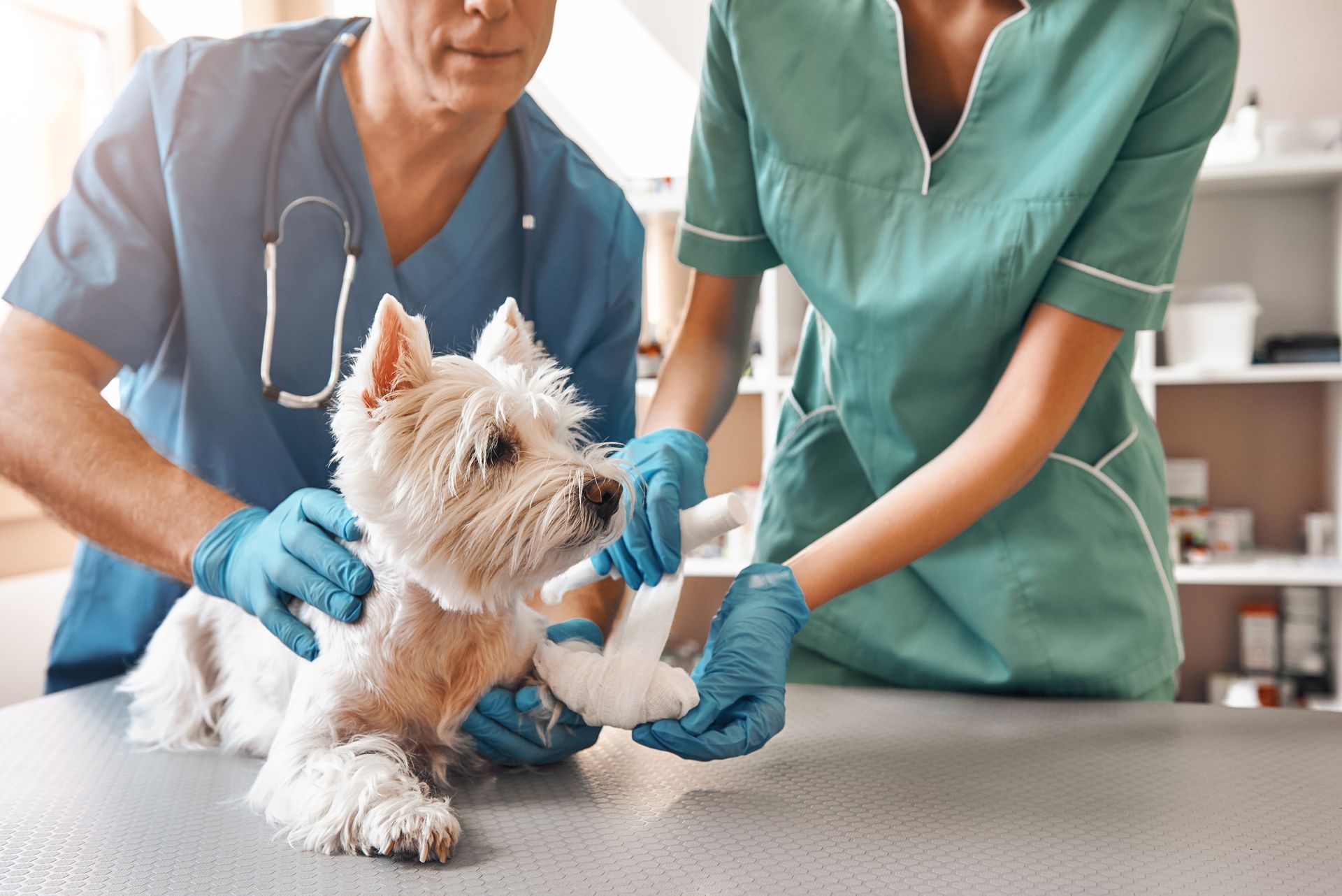
Pain is often hidden in pets because many animals try to act normal. Limping, a reluctance to jump, or a tense posture can all signal a problem. Pets may also lick, chew, or bite one spot over and over. Swelling, a leg that will not bear weight, or any bleeding should be treated as urgent. Owners should never give human pain medicine without advice, because many common drugs are unsafe for pets. Older pets may hide pain even better than younger ones, so changes in sleep or in climbing stairs matter.
Breathing, Vomiting, and Other Urgent Signs
Breathing that is fast, noisy, or hard work needs a prompt visit. Repeated vomiting, diarrhea that contains blood, or a swollen belly also call for care. Pale or blue gums are an emergency sign. A cough that lasts more than a few days, or one that gets worse, should also be checked. If a pet collapses or has a seizure, owners should contact an emergency animal hospital right away. Local veterinarians can explain which signs matter most for each breed and age, and waiting can make many conditions harder to treat.
Skin, Eye, and Ear Changes
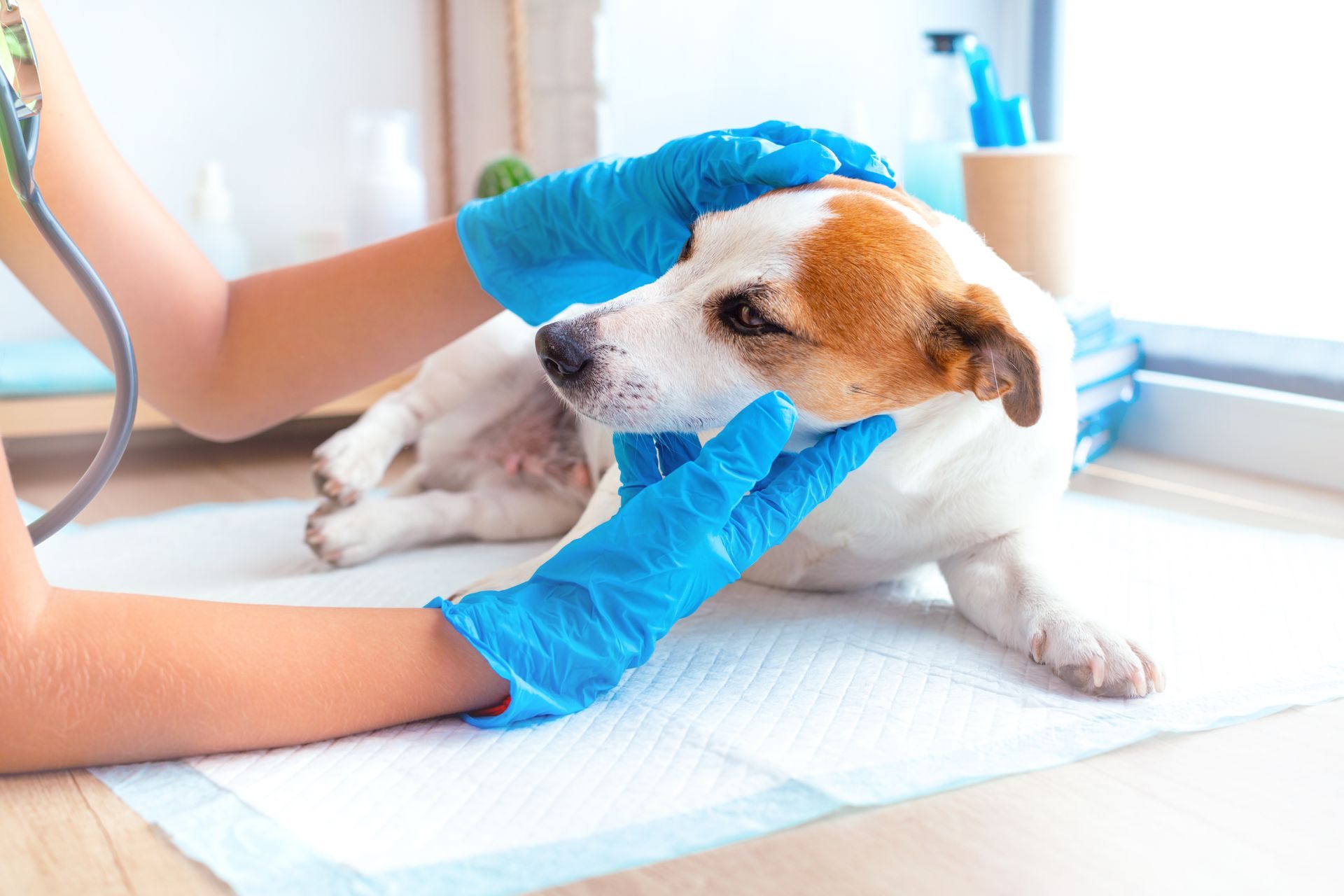
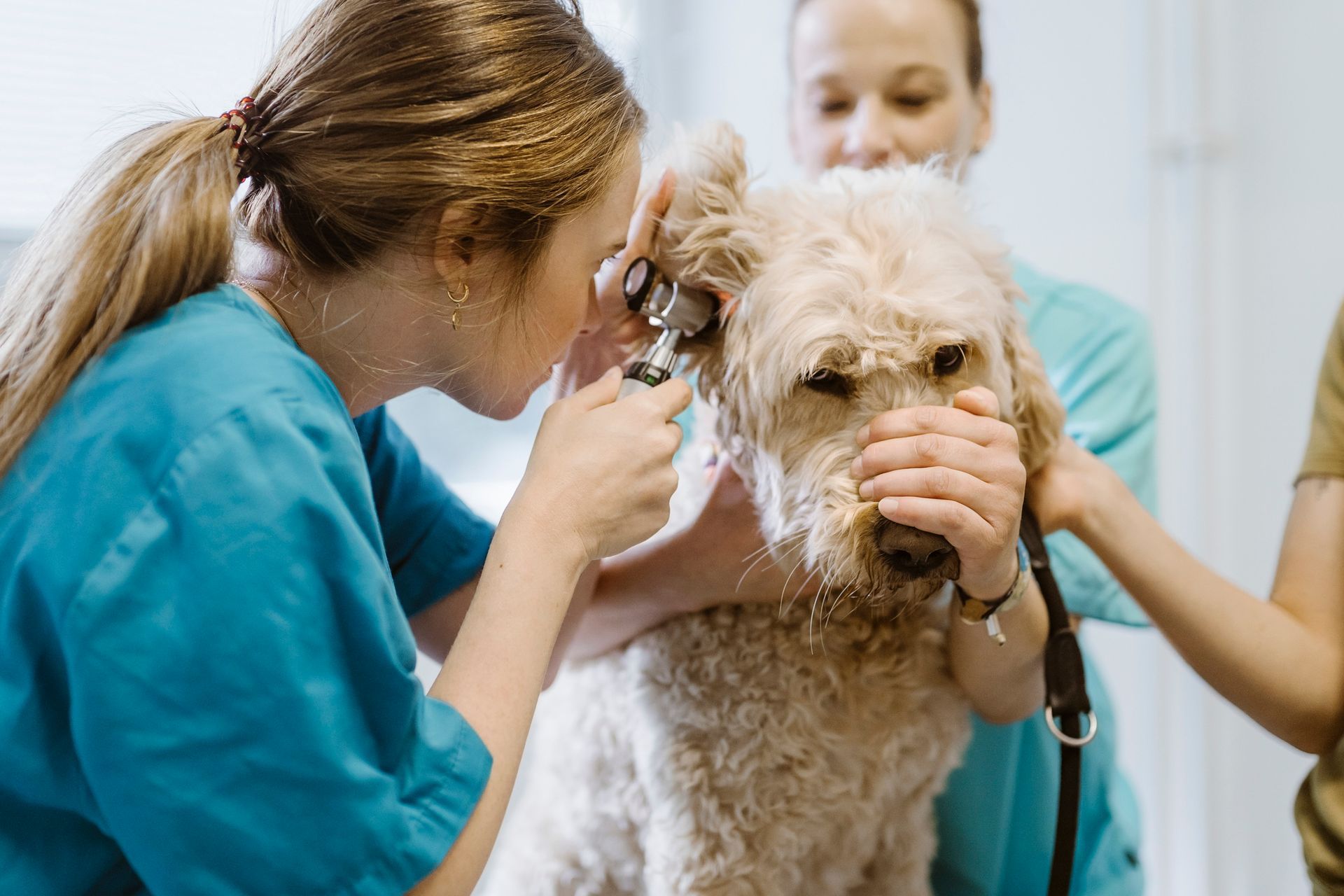
Skin problems often start small and grow over time. Hair loss, redness, bumps, or a strong smell can point to infection or allergies. Eyes that are cloudy, red, or leaking may need care soon, since some eye problems move quickly. Ears that are shaken, scratched, or smelly often have an infection that is easier to treat early. Regular checks at home make these changes easier to spot. Constant itching that keeps a pet awake is another reason to call. Scratching can break the skin and lead to a second infection.
When a Same-Day Visit Is Best
A same-day visit is the safest choice when a pet has trouble breathing, cannot stand, or may have eaten something toxic. Owners should call ahead when possible so the team can prepare for the arrival. Many clinics ask callers to describe the symptoms, when they started, and any medicines the pet takes. Clear answers help the team decide how quickly the pet needs to be seen. If the pet must ride in a car, owners should keep it calm and secured during the drive.
How to Prepare for a Vet Visit
Write down the symptoms before the appointment. Take photos or short videos of changes that come and go, since a pet may look normal at the clinic. Bring a list of current medicines, supplements, and the food the pet eats. Also bring past records from any other clinic. The clearest notes help veterinarians make a plan faster and can reduce stress for both owner and pet. Owners can also learn about the range of care through
pet hospital services in Jacksonville, FL.
Choose our Veterinarian Services!
Early care often leads to simpler treatment and fewer surprises. If a pet shows any sign on this list, reach out for guidance. Owners who notice several signs together should share all of them with veterinarians in Jacksonville, FL. One sign alone can hide the real cause, so the full picture helps.
Call
(904) 262-1986 or send a message through the
contact page. Patients can also share feedback on our
Google Profile. Baywood Animal Hospital is ready to help pet owners who are unsure what to do next.