How Jacksonville's Heat and Humidity Affect Your Pet's Annual Health Needs: Animal Health Services in Jacksonville, FL
Jacksonville's subtropical heat and humidity create year-round health challenges that many pet owners do not fully anticipate. Accessing reliable animal health services in Jacksonville, FL, can help you build a seasonal wellness plan tailored to this region's unique climate demands. Whether your pet lives in Baymeadows, Mandarin, or Bartram Park, the combination of intense summer heat, high humidity, and a practically nonexistent parasite off-season means routine care looks quite different here than in most of the country.
Florida's Parasite Season Never Really Ends
Jacksonville's subtropical climate means fleas, ticks, and mosquitoes stay active all twelve months. That changes the entire calculus of annual wellness planning.
Fleas and Ticks in the Jacksonville Area
Wooded lots in Mandarin, yards near the Intracoastal, and grassy areas throughout Southeast Jacksonville can harbor fleas and ticks in large numbers. A single female flea can lay up to 50 eggs a day, so minor hitchhikers quickly become a home-wide infestation. Beyond relentless itching, fleas can trigger flea allergy dermatitis and carry tapeworm larvae.
Ticks latch onto skin for prolonged blood meals and can transmit pathogens such as Ehrlichia and Lyme-causing bacteria. Monthly preventives recommended by your veterinarian are the most practical line of defense year-round. Animal health services in Jacksonville, FL, typically include a full parasite prevention review so your pet stays protected through every season.
Heartworm Risk Is Elevated Year-Round
Because heartworm is transmitted by mosquitoes, risk increases dramatically in summer but does not disappear when temperatures drop. A single missed prevention dose can leave a pet vulnerable, which is why monthly heartworm prevention and annual testing are standard components of any Jacksonville wellness visit.
How Does Jacksonville's Heat Actually Harm Pets?
Dogs and cats don't sweat the way humans do. They rely on panting and a few sweat glands in their paw pads to release heat. When temperatures and humidity soar together, these cooling systems can be overwhelmed quickly.
High humidity compounds the problem. Pets pant to cool down, but moist air limits how effectively panting removes body heat, accelerating the risk of dangerous overheating.
Signs of Heat-Related Illness to Watch For
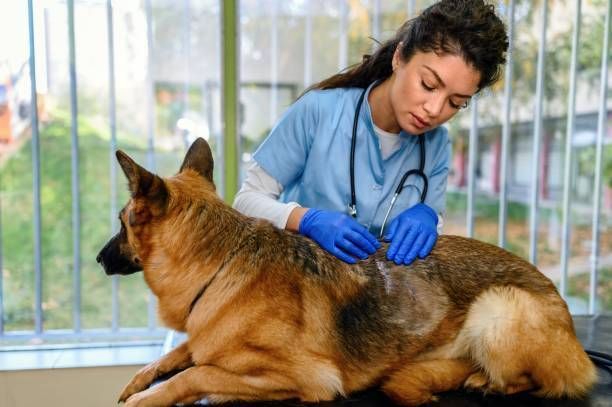
Signs of heatstroke include heavy panting, glazed eyes, rapid heartbeat, difficulty breathing, excessive drooling, lethargy, vomiting, and a deep red or purple tongue. If you notice these signs, move your pet to a cool area immediately and contact a veterinarian. Senior pets, young animals, and those with underlying health conditions are especially vulnerable.
Scheduling a wellness visit in late spring gives your veterinarian a chance to flag risk factors such as obesity or brachycephalic anatomy before the hottest months arrive. This is one reason animal health services in Jacksonville, FL, are in high demand each spring as temperatures begin to climb.
Humidity's Effect on Skin and Ears
Humidity encourages the growth of bacteria and yeast on skin, raising the risk of infections, hot spots, and ear problems. For pets with allergies, moist air can intensify itching and discomfort.
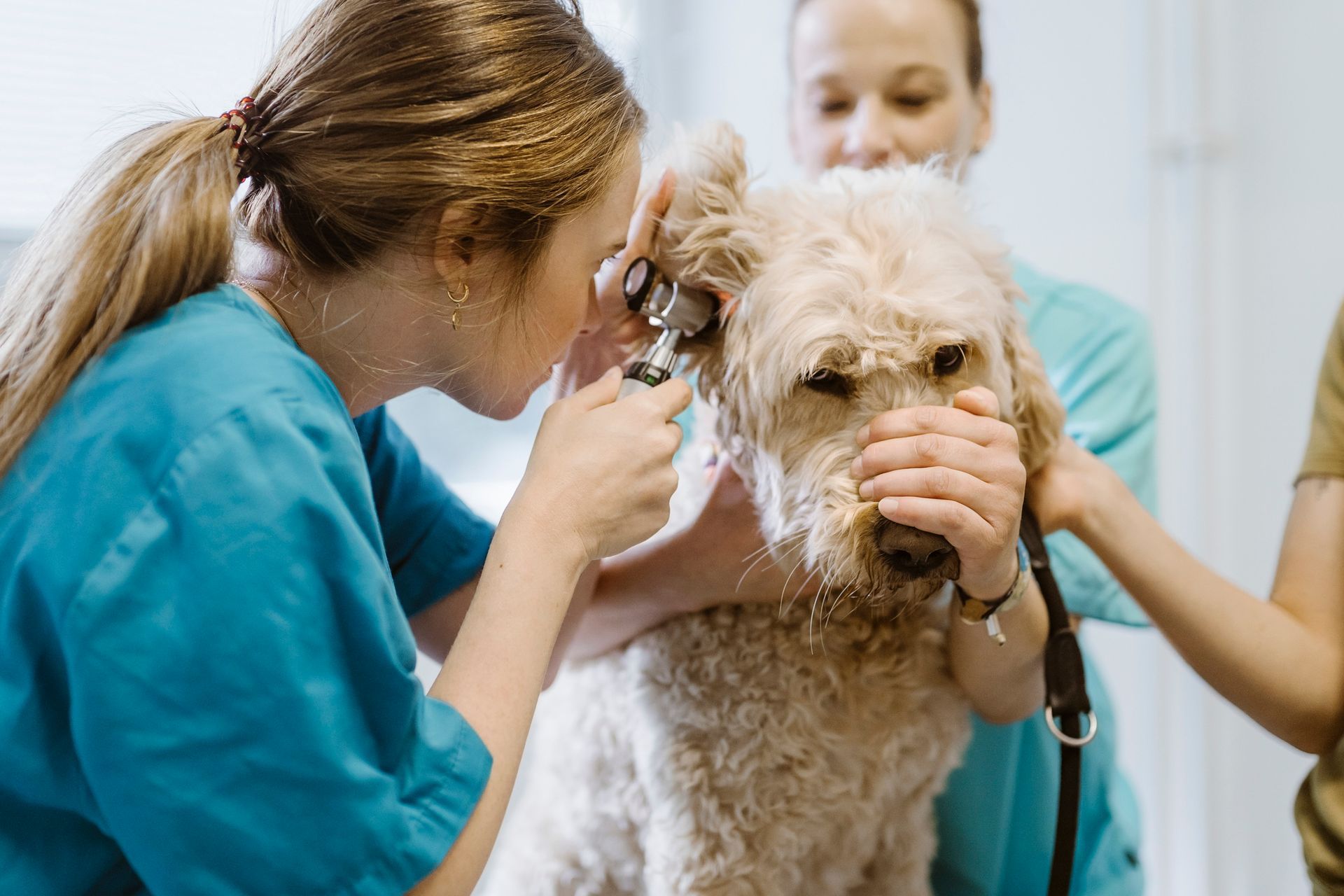
Ear infections are particularly common during Jacksonville's humid months. Dogs with floppy ears can trap moisture in the ear canal after walks, swims, or afternoon rainstorms. Chronic ear infections often signal an underlying allergy that humidity makes worse. You can learn more about how these concerns are addressed through
pet dermatology
services.
Building a Jacksonville-Specific Annual Wellness Schedule
A single annual checkup may not be enough for pets living in Northeast Florida's climate. The following framework can help owners stay ahead of seasonal risks.
- January through March: Annual wellness exam, heartworm test, and review of year-round parasite prevention. Animal health services in Jacksonville, FL, at this stage often focus on establishing a baseline before the heat intensifies.
- April through May: Pre-summer checkup to assess weight, skin and coat condition, and heat-related risk factors before temperatures peak.
- June through September: Monitor closely for heat illness, flea and tick activity, and humidity-driven skin or ear flare-ups. Contact your vet promptly if symptoms develop.
- October through December: Follow-up skin and ear evaluation; confirm parasite prevention continues without interruption through the mild winter months.
Pets with ongoing conditions, senior animals, and young puppies or kittens may benefit from more frequent visits.
Explore the full range of animal health services
available to help structure the right care plan for your pet.
How Often Should Jacksonville Pets Have a Wellness Exam?
Most veterinarians recommend at least one full exam per year for healthy adult pets, with more frequent visits for seniors or those with chronic conditions. Given Jacksonville's year-round parasite exposure and heat stress risks, a mid-year check-in is also worth discussing with your veterinarian. For pets that need extra monitoring, a semi-annual schedule of animal health services in Jacksonville, FL, can provide added protection.
Does My Indoor Pet Still Need Heartworm Prevention?
Yes. Mosquitoes enter homes through screens, open doors, and small gaps, so indoor pets in Jacksonville are not fully insulated from risk. Cats can also get heartworm disease. Year-round prevention is the standard recommendation for this region.
What Skin Issues Are Most Common in Jacksonville Pets During Summer?
Hot spots, yeast-related skin infections, and flea allergy dermatitis are among the most frequently seen conditions during Florida's humid summer months. Pets that swim, spend time in high grass, or have dense coats may be especially susceptible. A veterinarian can identify whether the cause is environmental, parasitic, or allergy-related. Animal health services in Jacksonville, FL, address these concerns through comprehensive skin evaluations and tailored treatment plans.
Schedule Your Pet's Summer Wellness Visit Today
Jacksonville's heat, humidity, and year-round parasite season make proactive veterinary care more important here than in much of the country. Planning ahead, maintaining consistent parasite prevention, and watching for early signs of heat illness or skin changes can make a meaningful difference in your pet's long-term health.
Baywood Animal Hospital offers comprehensive veterinary care for dogs and cats in the Jacksonville area, including Baymeadows, Mandarin, and Northern St. Johns County. Call
(904) 262-1986 to schedule an appointment, or
contact the team online to get started.